(Updated 7 January 2026)

Understanding Your Credit Score: What It Means and How to Improve It

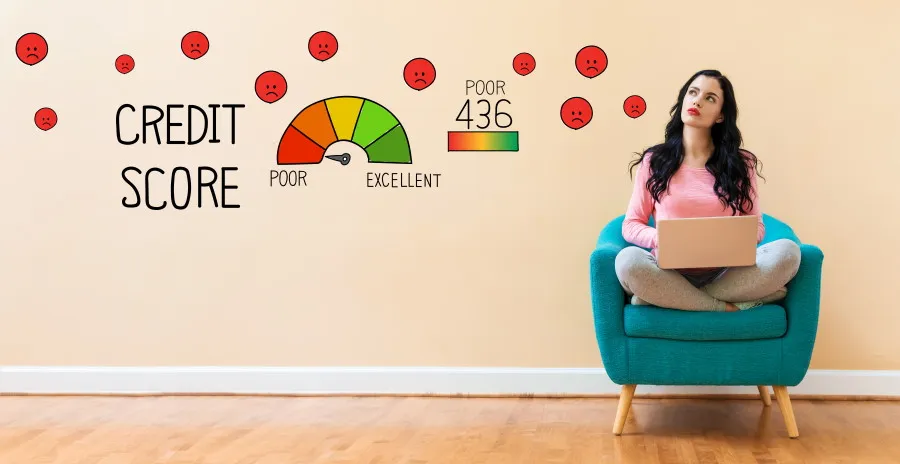
Poor credit score

What is a Credit Score?

A credit score is a number that shows how reliable you are at managing money and repaying debt. Lenders use it to decide:

  • Whether to approve loans, credit cards, or mortgages
  • The interest rate they’ll offer you

Credit scores typically range from 0–999 or 0–700, depending on the credit reference agency. A higher score shows that you are less risky to lenders.

Real-Life Example:

  • Score 750+: Likely to get a mortgage or personal loan at the best rates
  • Score 600–700: May need to compare offers and could face higher interest
  • Score under 600: Limited borrowing options, higher interest, or may be declined

Your score isn’t fixed; it changes depending on your financial behaviour, so even small improvements can make a big difference.

Why Your Credit Score Matters

A good credit score can have a huge impact on your finances:

  • Borrowing Costs: High scores often mean lower interest rates, saving hundreds or even thousands over a loan term.
  • Rental Applications: Landlords often check credit scores to see if you’re reliable.
  • Insurance Premiums: Some insurers use credit info to calculate premiums.
  • Peace of Mind: Knowing your score and how to improve it helps you make smarter financial decisions.

Tip: If you’re carrying debt, consider speaking to a debt adviser at Angel Advance before taking on more credit.

What Information Does Your Credit Score Contain?

Before attempting to improve your credit score, knowing what information credit reference agencies hold for you is really important. It can help you understand any errors and check for any fraudulent activity. There are three main credit reference agencies: Equifax, Experian, and TransUnion – each will hold slightly differing information, so be sure to check each one.

The information most commonly found is:

left wing

Your name, DOB & address

left wing

Financial links to others – maybe your partner, parents, or friend. If their score is poor, yours could be affected too

left wing

Late or missed payments

left wing

Defaults & CCJs

left wing

Your electoral roll status

left wing

Any insolvencies – Bankruptcies, Debt Relief Orders and Individual Voluntary Arrangements are listed here

left wing

Previous searches – hard searches are visible to others, soft searches just to you

left wing

Balances of debts you have

What Affects Your Credit Score?

Once you have checked your score across the three agencies, you’ll need to know what to look for when identifying any areas for improvement.

left wing

Payment History

Your record of paying bills on time is the single biggest factor. Even one missed payment can lower your score significantly.
Example: Paying your utility bill a week late may not seem like much, but repeated late payments can signal risk to lenders.

left wing

Credit Utilisation

This measures how much of your available credit you’re using. Lower utilisation is better.
Example: If you have a £1,000 credit card and owe £800, your utilisation is 80%, this can harm your score. Keeping it below 30% is ideal.

left wing

Length of Credit History

Older accounts help improve your score because they show a longer track record of responsible credit use.
Tip: Avoid closing old accounts unnecessarily.

left wing

Credit Mix

A mix of credit types (credit cards, loans, mortgages) can be positive, as long as you manage them responsibly.

left wing

Recent Applications

Each application for credit creates a “hard search” on your report. Multiple applications in a short period can lower your score temporarily.

Practical Ways to Improve Your Credit Score

Once you have checked your score across the three agencies, you’ll need to know what to look for when identifying any areas for improvement.

left wing

Pay Bills on Time

Set reminders, automate payments, or use apps like Monzo or Starling to notify you about due dates.

left wing

Check Your Report for Errors

Regularly reviewing your credit report allows you to correct mistakes. Dispute any inaccurate entries with lenders. Also make sure the small details such as your name, DOB & address are correct is important. Any small typos or mistakes can have a huge impact on your credit score.

left wing

Reduce Outstanding Debt

Focus on reducing balances, starting with high-interest debt.
Example: If you owe £500 on a credit card, paying it down to £150 improves your utilisation ratio and your score.

left wing

Register on the Electoral Roll

You’ll need to register on the Gov website. If you’re not listed, it’s very difficult to obtain credit.

left wing

Lower Your Credit Utilisation

If you have a £1,000 limit on your credit card and owe £750, you’re using 75% of the available credit. To improve your credit score, you’ll need to get your credit utilisation as low as possible – 25% or below is a figure to aim for.

left wing

Late Payments

Meeting your payments on time shows that you have your finances under control.

left wing

County Court Judgements

These seriously impact your credit file and are a sign of being in debt, which can be a big turn off for any potential lenders.

left wing

Keep Tabs on Your Credit File

Check it annually for any untoward details.

left wing

Address History

Moving address a lot may cause creditors to view your situation as unstable.

left wing

Provide Proof of Residency

If you’re not eligible to vote, provide each agency with evidence of your residency.

left wing

Financial Links

If you were financially linked to someone previously but don’t live with them anymore, or you don’t have any joint finances, request a notice of disassociation.

left wing

Use an Eligibility Calculator Before Applying for New Products

This only leaves a soft search that isn’t visible to other lenders but will offer an indication of what products you qualify for.

left wing

Insurance Policies

Try to pay upfront rather than monthly if you can. They often charge high interest and perform a hard search on your credit file.

left wing

Build Credit History if You’re New

If you have little or no credit history, a small credit card or a credit-builder loan can help, always pay on time.  These are generally low balance, high interest credit cards for people with a poor credit history. These are useful but ONLY when you’re in a position to pay back the full balance each month.

left wing

Avoid More Credit Applications

Only apply for the credit you need. Too many applications in a short time can lower your score.

How to Check Your Credit Score

There are a few options available, be sure to cross check each credit reference agency and utilise their free trials.

Checking your score does not affect it, and it allows you to spot errors or potential fraud early.

Credit Score and Debt Management

A low credit score may limit borrowing options, but you can take control:

  • Speak with a debt adviser through Angel Advance
  • Explore options like a Debt Management Plan (DMP) or an Individual Voluntary Arrangement (IVA)

Improving your credit score while actively managing debt sets you up for better financial outcomes in 2026.

Why Improving Your Credit Score Matters for 2026

Unlocks better borrowing options with lower interest rates
Helps you plan for major purchases like a car, a home, or a holiday
Builds financial confidence and resilience

Even small improvements, such as paying bills on time, reducing balances, and checking reports, can have a significant long-term impact.


Don’t have an account with us and are looking for debt advice?

white paper plane
Angel Advance provides online debt advice to get you back on track and make your finances more manageable.

Share this:

Article by:

Related Articles:

Categories: