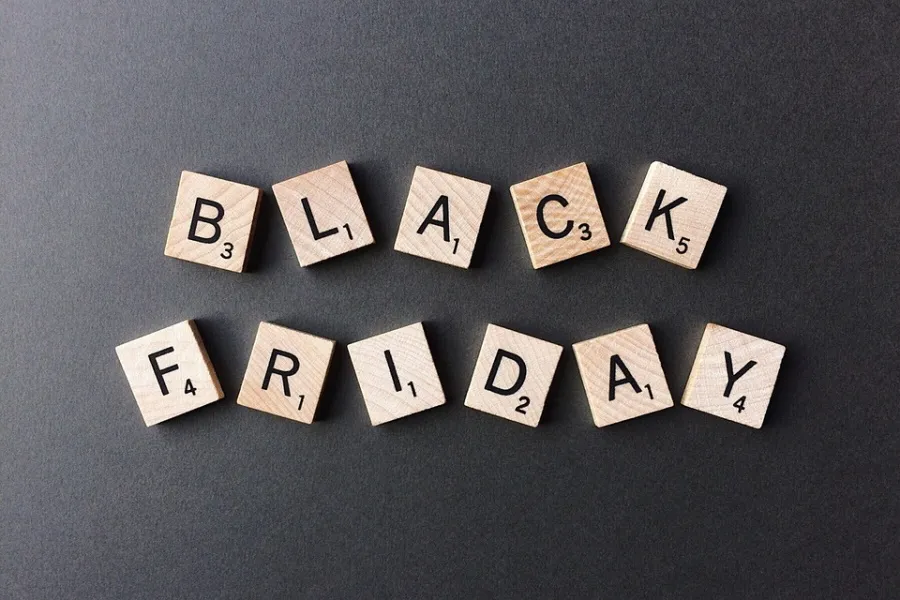
It’s officially Black Friday, and the deals are everywhere. Tempting? Absolutely. But nobody wants to still be paying for Christmas when it rolls back around in 2026. Before you get caught up in the hype, keep your Christmas budget realistic. January will bring enough challenges without an unexpected stack of debts and a long wait until payday. Read our guide on Black Friday on the best way to shop smart.
What is Black Friday?
Black Friday is the biggest day of the year for discounts, and usually falls on the last Friday of November, running until the following Cyber Monday. However, in recent years, retailers have been expanding their discounts and choosing to get their discounts out earlier to get more sales from customers. This is why some people refer to the sales period as ‘Black November’. It means businesses are not limiting their Black Friday sales to one day and discounts are running for 10 days or more. It started in America but has been adopted by the UK too after Amazon introduced their Black Friday Sales in 2010.
Can I Really Save Money On Black Friday?
You can, but only if you’re strategic. Your inbox and social feeds will flood with offers designed to encourage impulse spending. While there are genuine discounts to be found, overspending is easy if you don’t set boundaries. A little planning goes a long way.
Our Top Black Friday Tips
Follow these smart-spending rules to avoid starting 2026 with a debt headache:
- Do your research on items – Check what price they have been historically on www.pricespy.co.uk
- Write a list of items you want or need to buy, not what looks shiny in the moment.
- Shop around – Different retailers will offer different discounts that may be more beneficial for your planned purchases.
- Unsubscribe from tempting marketing emails and social media that could encourage impulse spending unnecessarily.
- Avoid credit cards and buy now, pay later – We know the dangers, it may seem savvy to spread the cost, but they are known for causing financial risks, with some users falling into debt as a consequence.
- Set a budget for items you want to buy. To find out more about budgeting, read our guide here.
Beware of Buy Now, Pay Later
As of 2024, around 50% of adults in the UK have used buy now pay later (BNPL) services, which is about 26.4 million people. This is an increase from 36% at the beginning of 2023. Some people may find it easy to spread the cost with Klarna, Clearpay and PayPal in 3. However, if you’re thinking of using it for Black Friday and Christmas, be wary. Buy now pay later can be a dangerous option and a slippery slope to more debt.
Read more about the risks of buy now, pay later schemes here.
Black Friday Debt Advice Before Christmas
While there is an opportunity to potentially bag yourself some bargains and save in the run-up to Christmas, it’s good to remember that it can lead to overspending and feeling swept up in grabbing a bargain without thinking rationally about what you can afford. If you feel like you’ve gone over your Christmas budget and as a result are in financial difficulty, get in touch with us for free no-obligation debt advice.