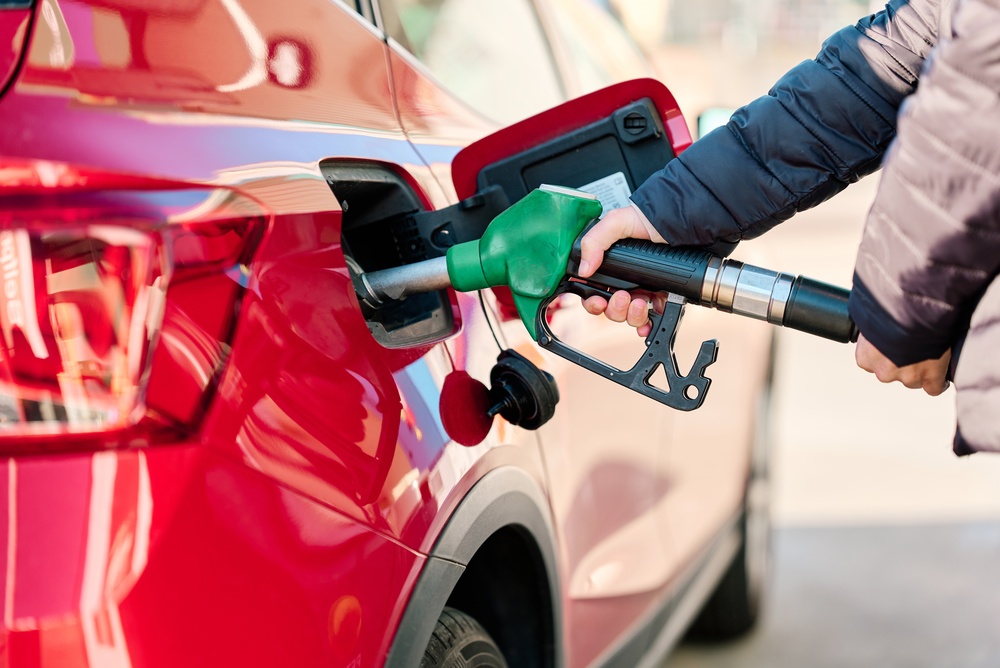
With household budgets under pressure, every journey matters – from driving to work to daily school runs. But being efficient doesn’t necessarily mean driving slowly – it’s about using less fuel to travel the same distance. If you rely on your car for essential trips, these small changes to your driving could help reduce fuel costs.
1) Don’t Pay Over the Odds at the Pump
You can now see the cheapest petrol and diesel prices near you, in almost real time.
A new Google Maps feature displays forecourt fuel prices, in a move that could save drivers up to £40 a year. This represents another transport measure by the Government, following its recent improvements to rail passenger rights.
2) Check Your Tyre Pressure
Underinflated tyres create more resistance, making your engine work harder – so check your pressures regularly and adjust to recommended levels.
Correctly inflated tyres can also improve vehicle handling and safety – but remember not to overinflate (refer to your vehicle handbook).
3) Remove Unnecessary Weight
The heavier your car, the more fuel it needs to move, so take out anything from the boot that you don’t need for your journey. And the same applies to roof racks or boxes – wind resistance increases fuel consumption, so if you’re not using them, remove them.
4) Drive Smoothly and Change Gear Correctly
Rapid acceleration and heavy braking use more fuel, so try to anticipate what is happening on the road. For example, if traffic is slowing ahead, ease off the accelerator early rather than continuing at speed and braking sharply. When it is safe to do so, allow the car to slow naturally and maintain a steady pace.
If you drive a manual car, avoid letting the engine rev too highly before changing up. Using the highest suitable gear helps the engine work more efficiently (provided the car is not struggling or losing power).
And smoother driving also means safer and more comfortable journeys for passengers.
5) Use Air Conditioning Wisely
Air conditioning uses engine power, which can increase fuel consumption, so consider opening windows at lower speeds instead. But at higher speeds, these open windows can create drag, so save aircon for motorways and main roads.
6) Plan Journeys in Advance
Of course, the best way to save on fuel costs is to drive less if possible – so avoid any unnecessary trips. If practical, consider walking, cycling or public transport – and if you have to drive, try sharing lifts or combining errands into one trip. Check your route before setting off and aim to be aware of any road closures or avoidable delays.
It All Adds Up
Even with all of these practical tips, fuel savings may seem small or even undetectable at first. But by applying them consistently over weeks and months, they will add up, leaving slightly more money free for other household spending.
Remember, if rising motoring costs are making it difficult for you to keep up with daily costs of living, get in touch for free* confidential debt advice.
*Our advice is free, but if you sign up for a debt solution, a fee will apply for some solutions.