Between 2023 and 2026, total UK energy debt and arrears have more than doubled. With the ongoing conflict in the Middle East resulting in more rises to our energy bills, paying for gas and electricity remains a struggle as of late.
Reducing energy use in the winter seems simpler – with draught excluders, thermal curtains and smart thermostats being the best way to save. But in the summer, keeping the heat in is the last thing we feel like doing!
When the heating goes off and your home feels warmer, we would recommend turning your attention to your household appliances. We’ve rounded up a few of our top summer energy saving tips below, to help reduce that dreaded bill every month.
Summer Energy Saving Tips For Your Boiler
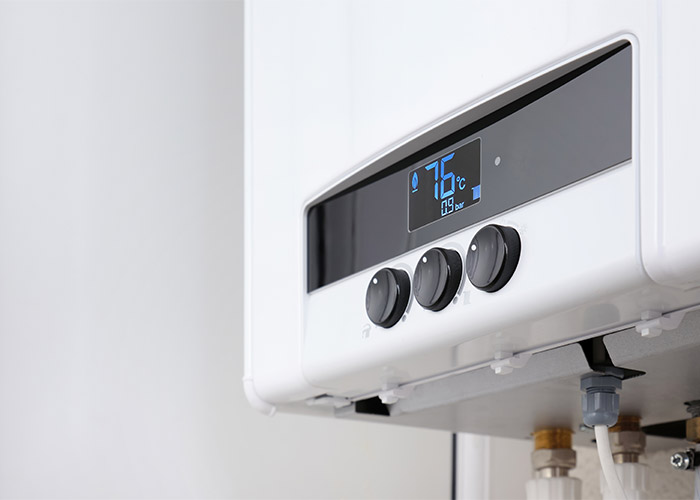
Some of the biggest savings you can make on your energy bill start with your boiler. A few quick checks and simple changes can help take some pressure off your finances, such as:
- Check if your boiler has a ‘summer mode’ or ‘hot water only’ setting: Most modern combi-boilers have a ‘summer mode’, which switches your heating off completely but keeps your hot water on. Alternatively, some boilers have a ‘hot water only’ setting which should also do the trick. Important: It is not advised to turn your boiler off completely for long periods of time, as valves and pumps can seize up and older boilers may struggle to restart.
- Consider turning your boiler’s ‘preheat’ setting off: The majority of modern combi boilers will also have a ‘preheat’ setting, which keeps the hot water in your pipes at a certain temperature to make sure you’re not waiting too long for it to heat up. But if you’re out at work all day/week, this is hugely inefficient. Check your boiler manual for instructions on how to turn the preheat off.
- Turn the hot water temperature down: By default, the temperature of the water that comes out of your hot taps is often too high. On the front of a combi boiler, there should be an option to turn the temperature down (usually next to a small tap symbol). Octopus Energy says a temperature of around 55° should be enough for most people. According to the Energy Saving Trust, this could save you £40 a year.
Summer Energy Saving Tips For Your Fridge/Freezer
Fridges and freezers need to stay on all the time, accounting for around 13% of the average household’s energy bill in the UK. But there are a few minor tweaks you can make to your appliances’ settings that should help to reduce consumption, including:
- Consider adjusting your fridge/freezer temperature(s): The Food Standards Agency says you should keep fridges set at 5°C and freezers at -18°C. Setting it any colder than that won’t affect the quality of your food, but will add to your energy bill. Check the temperature gauge and adjust as necessary.
- Clean your fridge’s condenser coils: You can usually find these at the back of the fridge with a grate or cover over them. Gently clean the dust off and this will help your fridge run at maximum efficiency. Important: You should turn the fridge off first, just in case.
- Check your freezer’s ‘fast freeze’ setting: Most freezers have a ‘fast freeze’, ‘super frost’ or ‘super freeze’ setting, which quickly freezes fresh foods and stops the overall temperature from rising. Only use this function when needed, otherwise your freezer will work harder when activated and you’ll see this reflected in your energy bill.
Don’t Forget About These Appliances!
- Tumble Dryer: Tumble dryers are one of the most energy-intensive and expensive appliances to run, so it’s best to avoid using one altogether if you can. But if you need to, try using its sensor programme rather than the timer. This will stop the dryer automatically when your laundry is at a certain level of dryness, rather than running until the allocated time you set when you first put it on. Investing in a washing line can also help reduce tumble dryer use, especially during the warmer months, allowing clothes to dry naturally at no extra cost at all.
- Dishwasher: Dishwashers can be energy-efficient, as long as you’re not running one when it’s half empty. Most modern dishwashers also have an eco-mode, so using this setting where possible can help save energy and reduce costs. Another good way to save some money here is using a smart plug, which allows you to turn off an appliance remotely using your phone for example). For instance, you could turn it off just before the drying cycle starts, and let the residual heat within the appliance dry your dishes instead.
- Oven: We know it’s a big job, but deep-cleaning your oven will help it work more efficiently, and in turn, use less energy. Most modern ovens have a self-cleaning mode, so definitely check if yours does. If not, you could get a professional in (expect to pay at least £40 for this), or give it a go yourself. Important: Be careful with oven cleaning products, they can damage your skin, eyes and oven itself.
Get Free*, Confidential Energy Debt Advice
If you’re behind on your energy bills, please don’t hesitate to reach out and get free*, confidential debt advice from our expert advisors.
We understand how difficult it can be to open up about money worries. That’s why we offer plenty of contact methods, so you can reach out in a way that feels comfortable for you:
- Phone: 01925 599 400
- Freephone: 0800 210 0638
- Email: info@angeladvance.co.uk
- WhatsApp: +44 192 559 9400
- Webchat: https://www.angeladvance.co.uk/
- Free* Online Debt Advice Tool: https://getdebtadvice.angeladvance.co.uk/GetStarted
We also offer advice regarding a range of debt solutions, including Debt Management Plans (DMPs), Individual Voluntary Arrangements (IVAs), Debt Relief Orders (DROs), Bankruptcy, Partial Settlements and solutions for Scottish residents.
*Our advice is free, but if you sign up for a debt solution with us, fees will apply.