
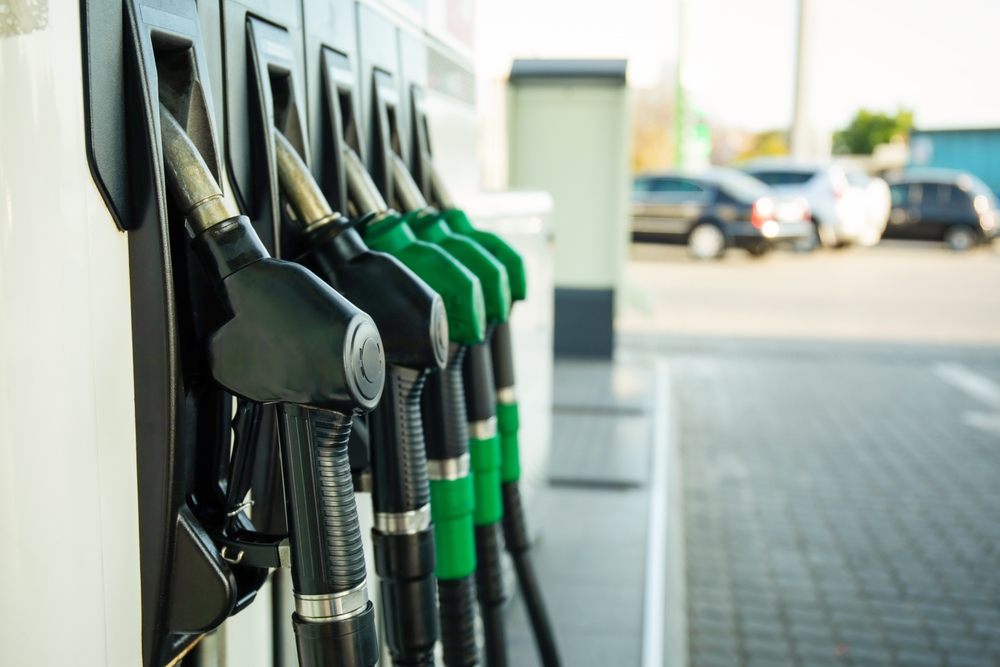
Electric vehicles (EVs) are often cheaper to run than traditional petrol or diesel cars, even taking into account the proposed introduction of pay-per-mile tax. Yet for many people who still rely on a car for work, family life or everyday travel, the cost of buying a new EV remains out of reach. Here are some tips on how to cut fuel costs without needing to change your petrol or diesel vehicle.
1) Plan cheaper fill-ups
Petrol station forecourt prices can vary significantly, depending on factors like location and brand name. To cut fuel costs, use a resource like the Government’s Fuel Finder, regularly updated with live retail fuel price information. Make sure you don’t fill your car completely – you’ll actually spend more energy driving the extra weight (effectively burning fuel to carry it). Supermarket petrol stations are often the most competitively priced, with some offering occasional loyalty or coupon offer discounts.
2) Think smooth, not speedy
Rapid acceleration and harsh braking burns more fuel than smoother, consistent driving. Aim for gentle acceleration and keep speed as steady as traffic allows, changing gear early (around 2,500 rpm in a petrol or 2,000 rpm diesel).
You should also pay attention to the road well ahead, so you can ease off and let the car slow naturally, rather than braking hard and late. Driving at higher speeds in general increases wind resistance, using more fuel. For better miles-per-gallon performance on motorways, drop to a lower (but safe and legal) speed. And on smaller or country roads, avoid rapid bursts to lower your fuel bills (and your risk of accidents).
3) Less weight, less drag
As mentioned, the heavier the car, the more expensive to move – and this doesn’t just mean what’s in your fuel tank.
Clear out heavy clutter from your boot or back seat and only carry what you need for your journey. And on your car’s exterior, unused roof or cycle racks or boxes can raise drag (and costs) – especially at higher speeds.
4) Avoid unnecessary engine use
If you’re stopped for over a minute, switch off the engine (providing it is safe to do so), rather than keep it ticking over.
Try to combine short errands into a longer journey, instead of making several single trips. Repeated cold starts are far less efficient than driving with a warm engine.
5) Well maintained = better running
Many people underestimate the difference a well-kept car can make to their fuel spending. For example, checking tyre pressures are kept at recommended levels of inflation can save several pounds a year. Underinflation increases rolling resistance – but be careful not to overinflate, as this can make treads wear faster.
Stick to your car’s service schedule, so that the engine, filters and fluids are all functioning at their best.
Seek help if fuel costs are part of a bigger problem
If rising fuel costs are making it harder to keep up with other payments, help is available. You may benefit from support with budgeting or debt management if your finances are under strain.
To talk to an FCA-authorised debt advice firm via phone, email, WhatsApp or online chat, please get in touch or use our free* tool for online debt advice in under 15 minutes.
*Our advice is free, but if you sign up for a debt solution, a fee will apply for some solutions.